Custom Steel Buildings for Commercial Use: A Complete Design Guide
This is a subtitle for your new post
At ANS Steel Buildings, the goal is simple: design metal building systems that work as hard as your business does. This guide walks through the most important customization decisions to consider before ordering your commercial steel building.
Steel buildings have become the preferred solution for commercial construction due to their strength, speed of installation, and design flexibility.
Durability and Structural Strength
Steel structures are engineered to withstand heavy loads, extreme weather conditions, and daily operational demands. Compared to traditional wood framing, steel resists:
- Fire
- Termites and pests
- Rot and mold
- Warping and cracking
This durability reduces maintenance costs over the life of the building.
Faster Construction Timelines
Pre-engineered metal buildings are manufactured off-site and delivered ready for assembly. This streamlined process shortens construction timelines, allowing businesses to become operational faster.
Cost Efficiency Over Time
While upfront pricing is competitive, long-term savings in maintenance, insurance, and energy efficiency make steel a smart commercial investment.
Step 1: Define the Purpose of Your Commercial Steel Building
Before customizing features, clearly identify how the building will function.
Warehouse or Distribution Center
Consider:
- Clear-span interiors for maximum storage
- High ceilings for pallet racking
- Large overhead doors for truck access
Retail or Showroom Space
Focus on:
- Attractive exterior finishes
- Storefront glass systems
- HVAC integration for customer comfort
Manufacturing or Industrial Facility
Prioritize:
- Reinforced floors for heavy equipment
- Ventilation systems
- Crane-ready framing if needed
Office or Multi-Use Facility
Plan for:
- Interior partition framing
- Insulation for energy efficiency
- Electrical and plumbing layouts
Defining the building’s primary use ensures every customization supports operational needs.
Step 2: Choose the Right Layout and Clear Span Design
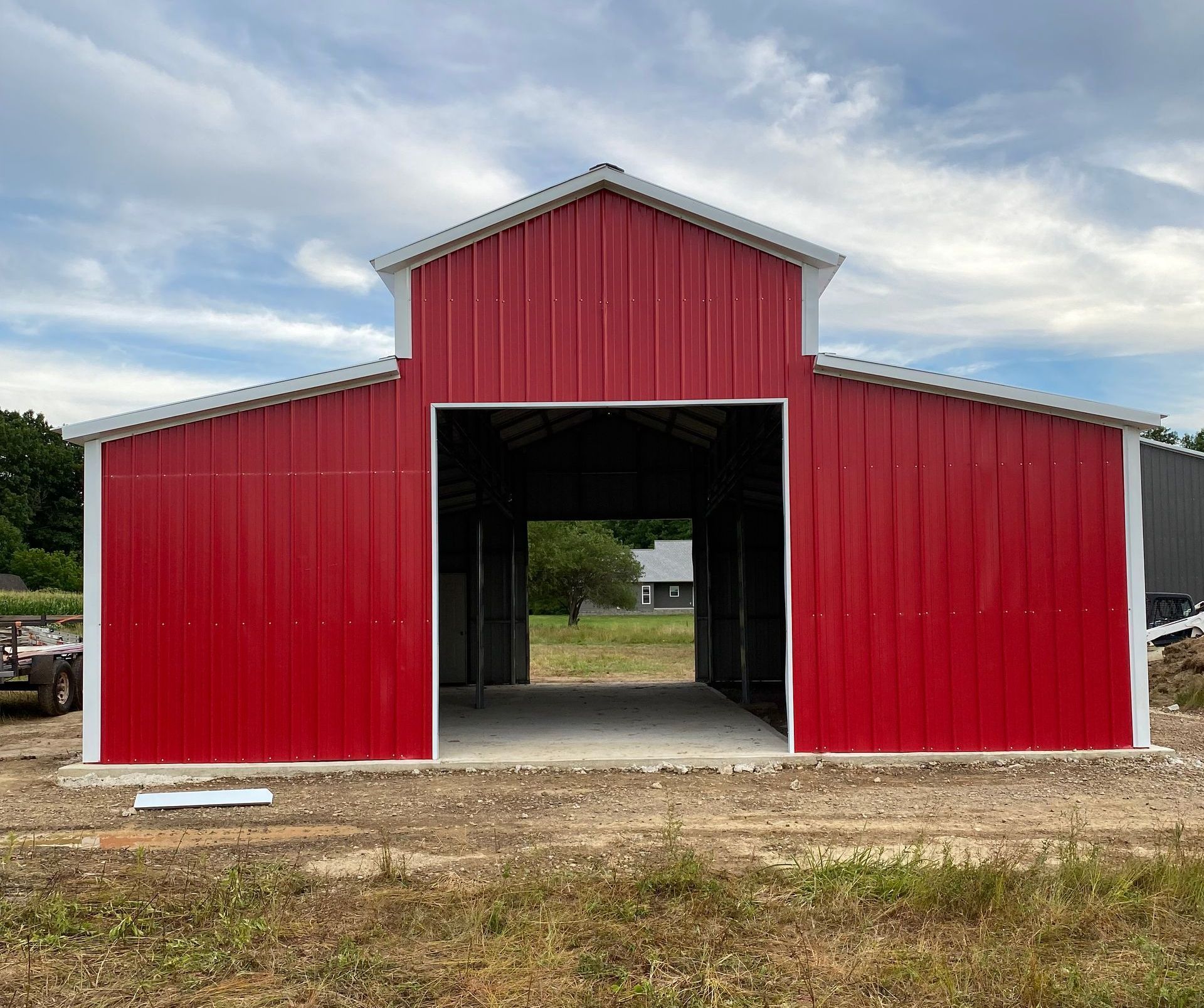
One of the biggest advantages of custom steel buildings for commercial use is flexible interior space.
Clear-Span Construction
Clear-span designs eliminate interior columns, providing unobstructed space. This is ideal for:
- Warehousing
- Event venues
- Equipment storage
- Retail showrooms
Future Expansion Planning
When customizing your building, think beyond current needs. Plan wall systems that allow for future extensions without major structural modifications.
Step 3: Customize Doors, Windows, and Access Points
Access design affects daily operations.
Overhead and Roll-Up Doors
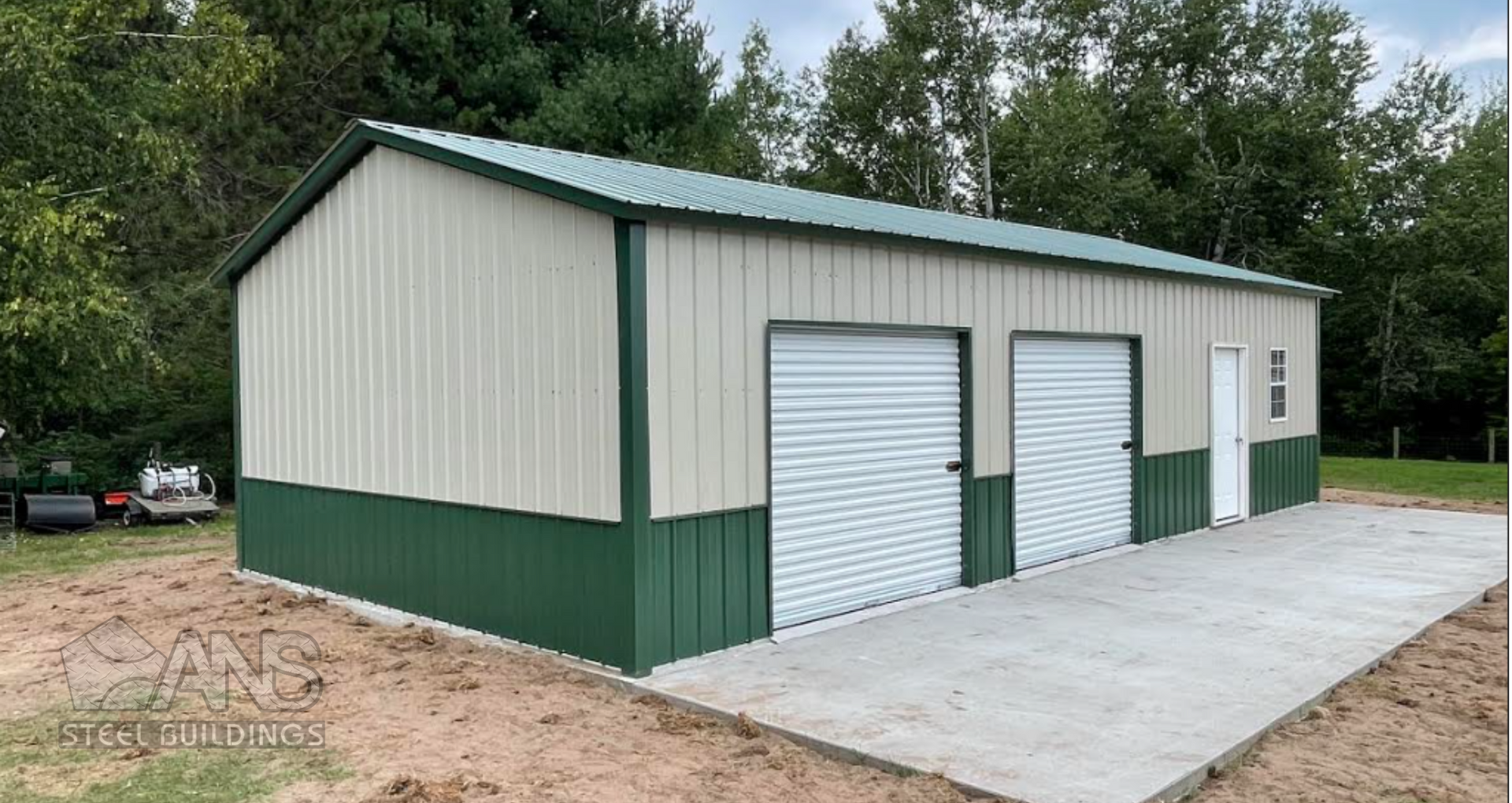
Choose size and placement based on:
- Equipment access
- Loading dock height
- Vehicle traffic flow
Walk-In Doors
Install personnel doors at strategic points for safety and workflow efficiency.
Window Placement
Windows improve natural light and reduce energy costs. In retail and office settings, they also enhance curb appeal.
Step 4: Insulation and Energy Efficiency Upgrades
Commercial buildings require proper climate control.
Insulation Options
Common insulation systems include:
- Fiberglass blanket insulation
- Rigid board insulation
- Spray foam systems
The right option depends on climate, building use, and energy goals.
Ventilation and Airflow
Manufacturing and warehouse facilities benefit from ridge vents, louvers, and exhaust fans to maintain air quality.
Reflective Roofing Systems
Cool roofing panels help reduce interior heat gain and lower HVAC costs.
Energy efficiency upgrades not only cut operating expenses but may qualify for tax incentives in some areas.
Step 5: Exterior Finishes and Branding Opportunities
Your building’s exterior should reflect your brand identity.
Custom Color Panels
Metal panels are available in a wide range of finishes to align with corporate branding.
Facade Enhancements
Enhance aesthetics with:
- Brick or stone wainscoting
- Glass storefront systems
- Architectural trim packages
A polished exterior improves customer perception and property value.
Step 6: Code Compliance and Engineering Considerations
Every commercial steel building must meet local building codes.
Load Requirements
Engineering must account for:
- Snow loads
- Wind loads
- Seismic conditions
Permitting Support
Working with an experienced manufacturer simplifies documentation and ensures compliance with municipal regulations.
Step 7: Long-Term Maintenance and Lifecycle Planning
Steel buildings are low-maintenance, but planning ahead ensures maximum lifespan.
Protective Coatings
Galvanized and coated steel resists corrosion and extends structural durability.
Routine Inspections
Periodic checks of fasteners, roofing systems, and sealants prevent minor issues from becoming costly repairs.
When properly maintained, steel commercial buildings can last decades with minimal upkeep.
Why Work With ANS Steel Buildings?
Choosing a reliable manufacturer makes the customization process seamless. ANS Steel Buildings provides:
- Engineered commercial building systems
- Flexible customization options
- Clear-span solutions
- Expansion-ready designs
- Dedicated customer support
From planning to delivery, partnering with an experienced steel building manufacturer ensures your investment supports long-term business growth.
Final Thoughts on Custom Steel Buildings for Commercial Use
Customizing your steel building isn’t about adding features randomly — it’s about designing a structure that supports your operations today and adapts tomorrow.
By focusing on layout planning, insulation, access points, exterior design, and compliance, you create a commercial facility that is durable, efficient, and scalable.
If you're planning a warehouse, office, retail space, or industrial facility, carefully designed custom steel buildings for commercial use provide the strength, flexibility, and return on investment modern businesses demand.