Metal Carport: The Complete Guide to Protection, Value, and Smart Storage
When protecting your vehicle, equipment, or outdoor investments, a metal carport offers a practical and cost-effective solution. Whether you’re shielding your car from harsh weather or creating extra covered space, understanding how a metal carport works — and whether you need one — can help you make a smart decision.
In this guide, we’ll walk through what a metal carport is, its advantages, design options, cost factors, and how to choose the right structure for your property.
What Is a Metal Carport?
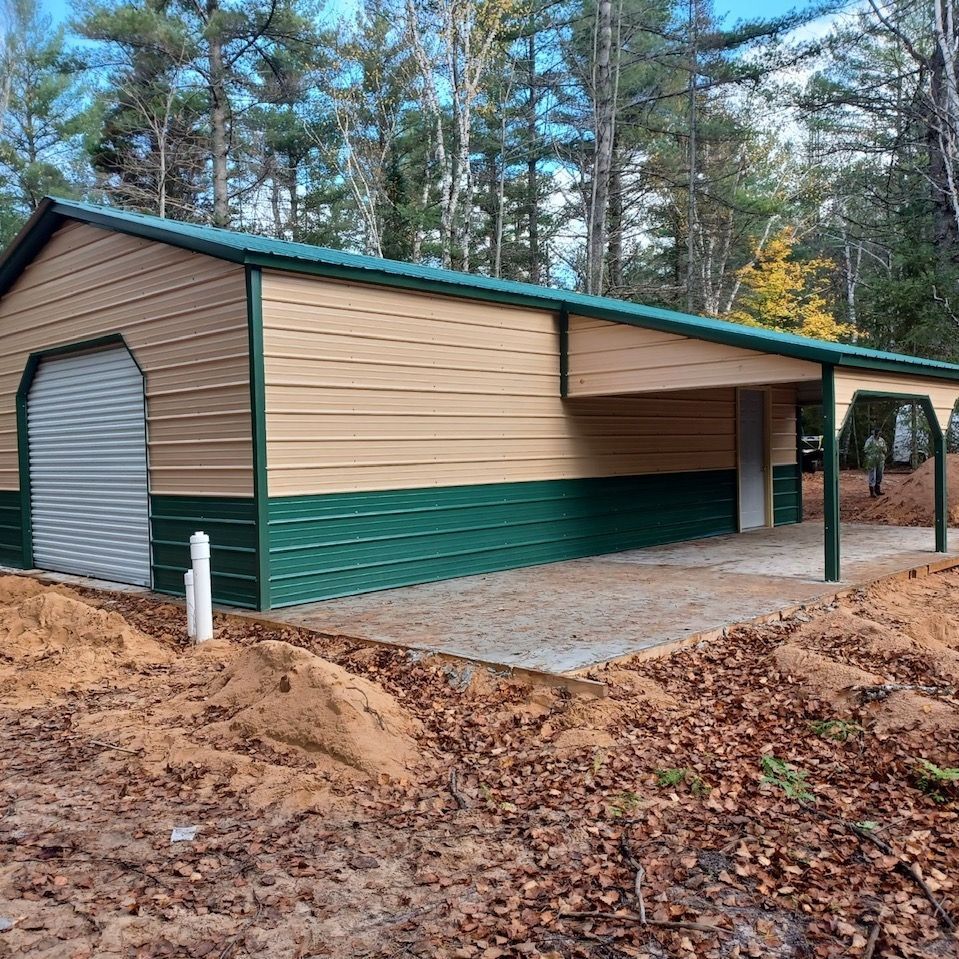
A metal carport is a steel-framed structure designed to provide overhead protection for vehicles and equipment. Unlike a fully enclosed garage, a carport is typically open on the sides, allowing for airflow while still protecting from sun, rain, snow, and hail.
Most modern metal carports are constructed from galvanized steel with durable metal roofing panels, making them resistant to rust, corrosion, and wind damage.
Key Components of a Metal Carport
Steel Frame
The structural backbone that provides strength and stability.
Roof Panels
Typically corrugated or ribbed metal panels designed for water runoff and durability.
Anchoring System
Secures the structure to concrete, asphalt, or ground to withstand wind loads.
Why Homeowners Choose a Metal Carport
A metal carport isn’t just about covering a vehicle — it’s about convenience, protection, and long-term value.
1. Weather Protection
Sun exposure can fade paint and damage interiors. Heavy rain, snow, and hail can cause dents and corrosion. A metal carport creates a protective barrier that reduces wear and tear on your vehicle.
2. Cost-Effective Alternative to a Garage
Building a fully enclosed garage requires a larger investment in materials, labor, and permits. A metal carport delivers protection at a fraction of the cost.
3. Quick Installation
Compared to traditional construction, most metal carports can be installed quickly, minimizing disruption to your property.
4. Low Maintenance
Steel structures require minimal upkeep. Occasional cleaning and inspections are usually sufficient to maintain performance.
5. Versatile Use
While primarily designed for vehicles, a metal carport can also protect:
- RVs and boats
- Farm equipment
- Lawn tractors
- Outdoor workspaces
- Patio or gathering areas
Types of Metal Carports
Choosing the right style depends on your climate, intended use, and budget.
Regular Roof Carports
Ideal for mild climates. They are cost-effective and suitable for areas without heavy snow accumulation.
A-Frame (Boxed Eave) Carports
Offer a more traditional appearance and improved water runoff compared to regular roof styles.
Vertical Roof Carports
Best for areas with heavy snow or rainfall. The vertical panel design allows precipitation to slide off efficiently.
Do You Really Need a Metal Carport?
If you’re wondering whether a metal carport is necessary, consider these factors:
Do You Park Outdoors?
If your vehicle sits in direct sunlight or exposed weather year-round, you may already be experiencing gradual damage.
Do You Lack Garage Space?
If your garage is used for storage, a carport can free up space while keeping your vehicle protected.
Are You Protecting High-Value Equipment?
Boats, RVs, trailers, and work vehicles benefit significantly from covered storage.
If any of these situations apply, a metal carport can be a practical investment.
How Much Does a Metal Carport Cost?
Costs vary depending on:
- Size (single, double, triple-wide)
- Roof style
- Height clearance
- Custom features
- Installation requirements
A standard single-vehicle metal carport typically costs significantly less than constructing a garage. Larger units for RVs or equipment will naturally increase the price.
To get accurate pricing, it’s best to request a customized quote based on your property needs.
Customization Options
One advantage of a metal carport is flexibility. You can tailor your structure to match your property and functional requirements.
Size and Height
Choose dimensions based on vehicle size or equipment clearance.
Color Options
Many manufacturers offer multiple roof and trim color choices to match your home or business.
Side Panels and Enclosures
Add partial or full side panels for additional protection from wind-driven rain.
Certification for Wind and Snow Loads
Depending on your region, you may need a certified structure built to meet local building codes.
Installation Considerations
Before installing a metal carport, evaluate:
Foundation Type
Concrete slabs provide the most stable base, though ground or asphalt installations are possible.
Local Building Codes
Some areas require permits or engineered certifications.
Placement
Ensure proper spacing for vehicle access and drainage.
Working with an experienced steel building provider ensures your metal carport meets structural and safety requirements.
Long-Term Value of a Metal Carport
Beyond immediate protection, a metal carport can:
- Extend vehicle lifespan
- Maintain resale value
- Reduce maintenance costs
- Add functional outdoor space
- Improve property appeal
For many homeowners and property owners, it’s a simple upgrade that delivers measurable long-term benefits.
Final Thoughts: Is a Metal Carport Right for You?
A metal carport offers practical protection, affordability, and flexibility for homeowners and businesses alike. Whether you need shelter for a daily driver, RV, boat, or equipment, it provides a reliable solution without the expense of full garage construction.
If you’re considering adding covered protection to your property, evaluate your climate, space, and storage needs. With the right size and configuration, a metal carport can be a smart, long-term investment that protects what matters most.