Common Misconceptions about Steel Buildings Debunked
Steel buildings have gained immense popularity in the construction industry due to their numerous benefits, including durability, cost-effectiveness, and versatility. However, despite their growing popularity, several misconceptions still persist. In this blog post, we will debunk some of the most common misconceptions surrounding steel buildings and provide factual information to help you make informed decisions about your construction projects.
Misconception 1: "Steel buildings are only suitable for industrial or agricultural purposes."
Reality: This is one of the most prevalent misconceptions about steel buildings. While they are indeed well-suited for industrial and agricultural applications, modern steel buildings have evolved to accommodate a wide range of uses, including commercial spaces, retail outlets, office buildings, schools, and even residential structures. Steel's versatility allows for customized designs that meet diverse architectural requirements.
Misconception 2: "Steel buildings lack aesthetic appeal."
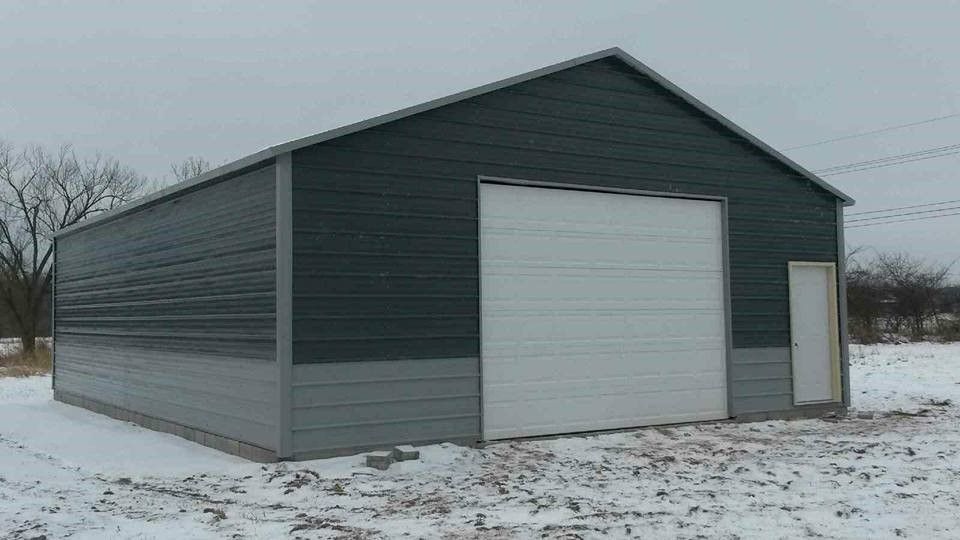
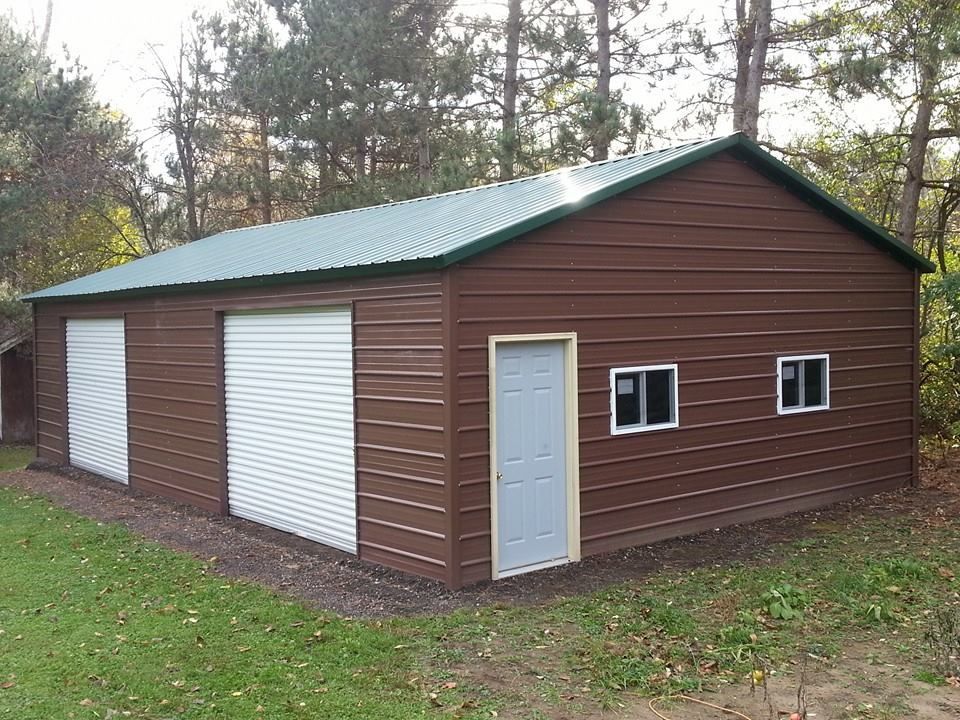
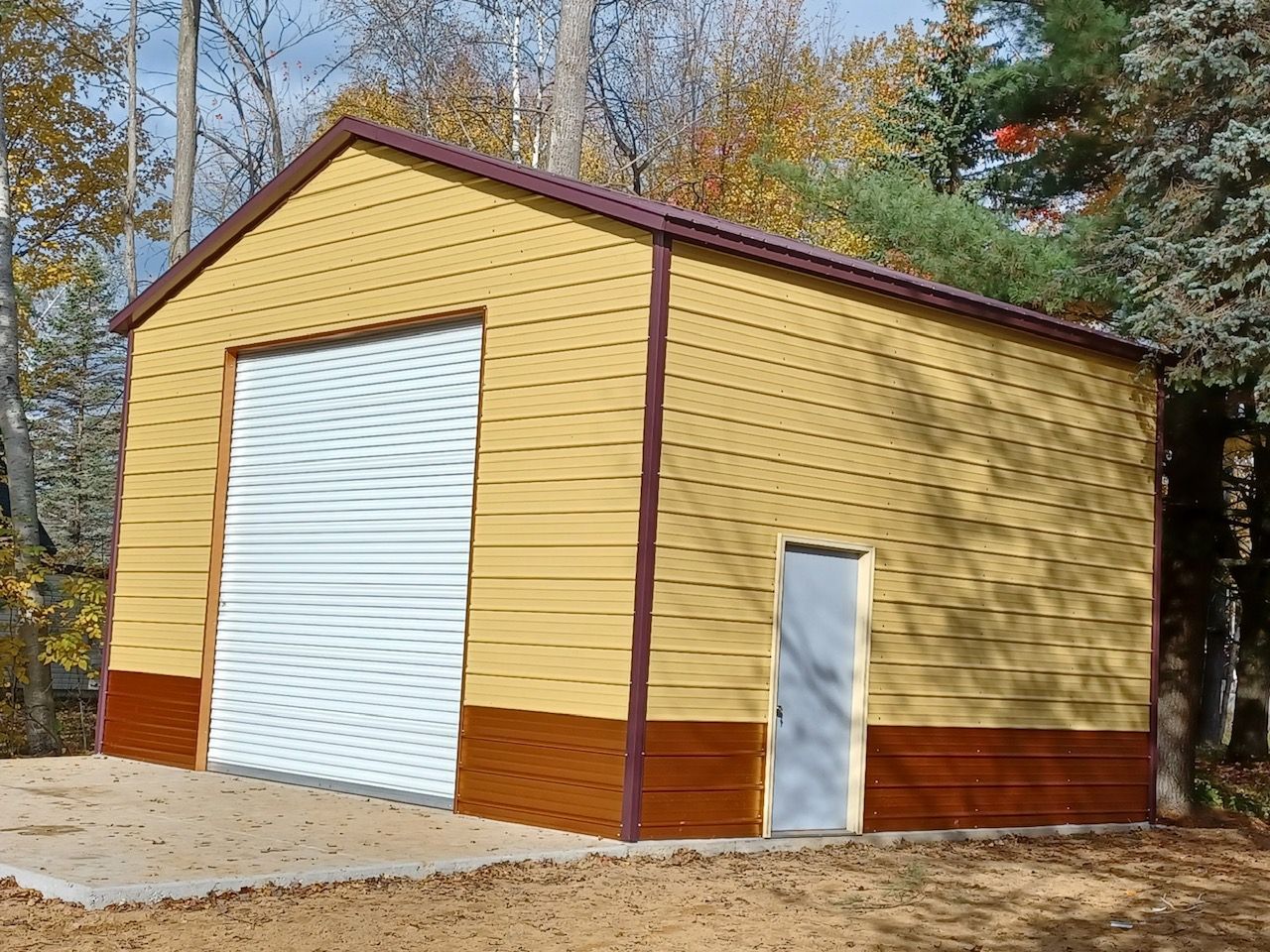
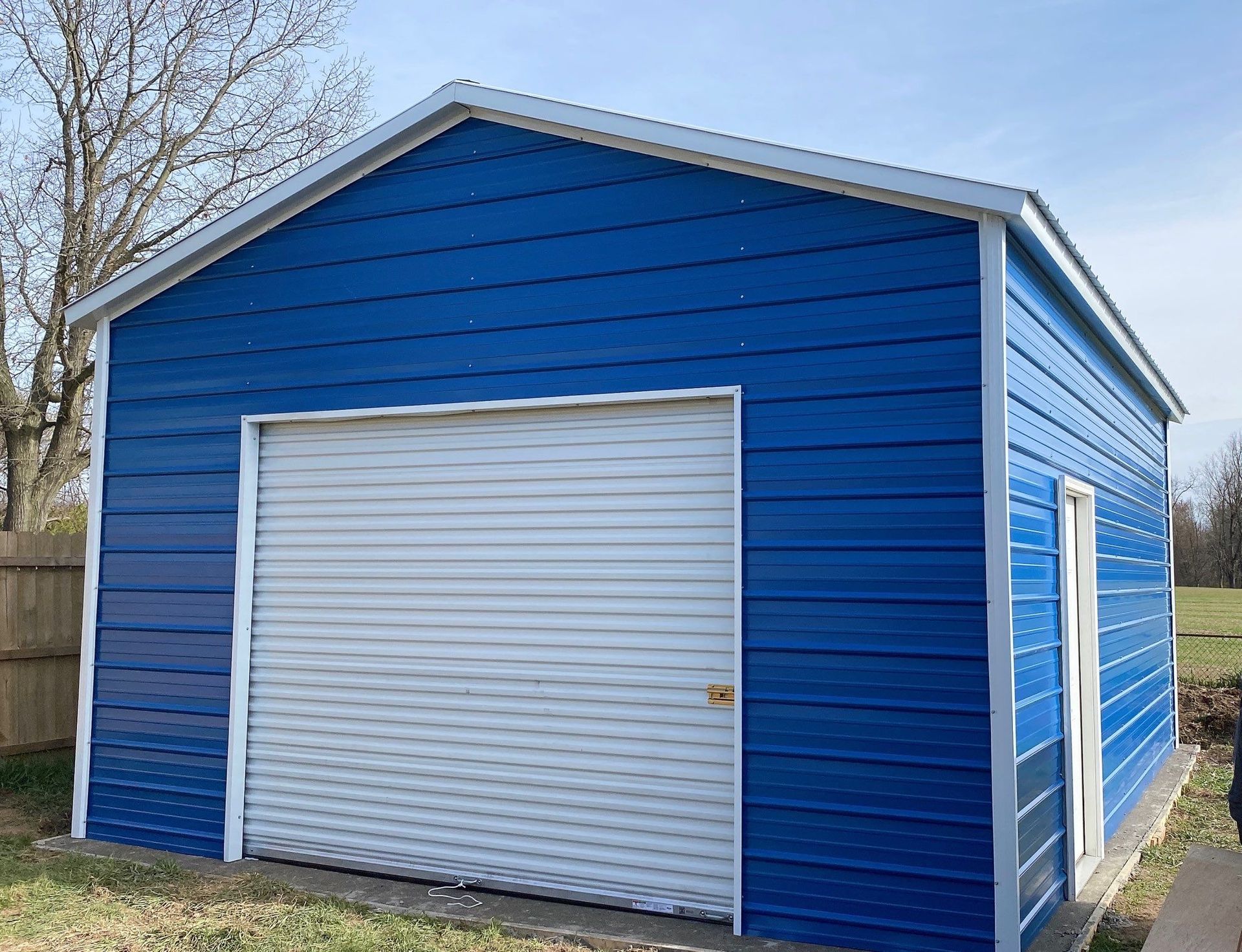
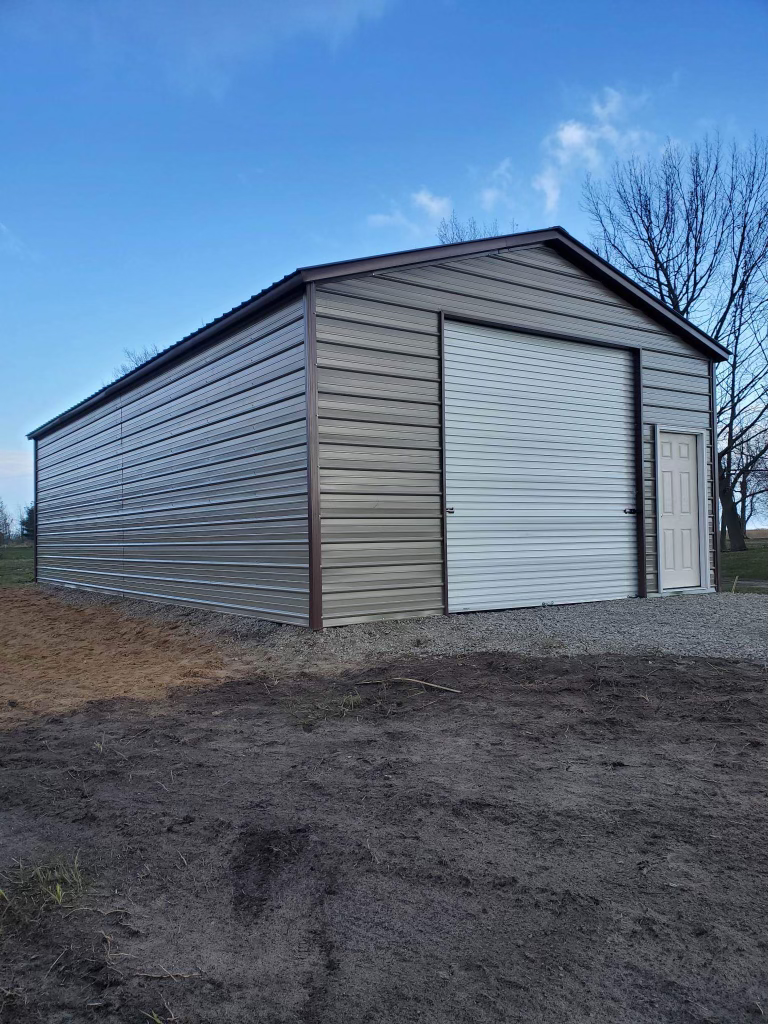
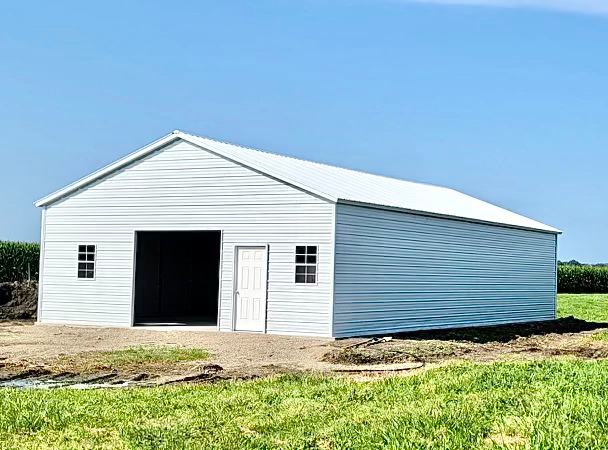
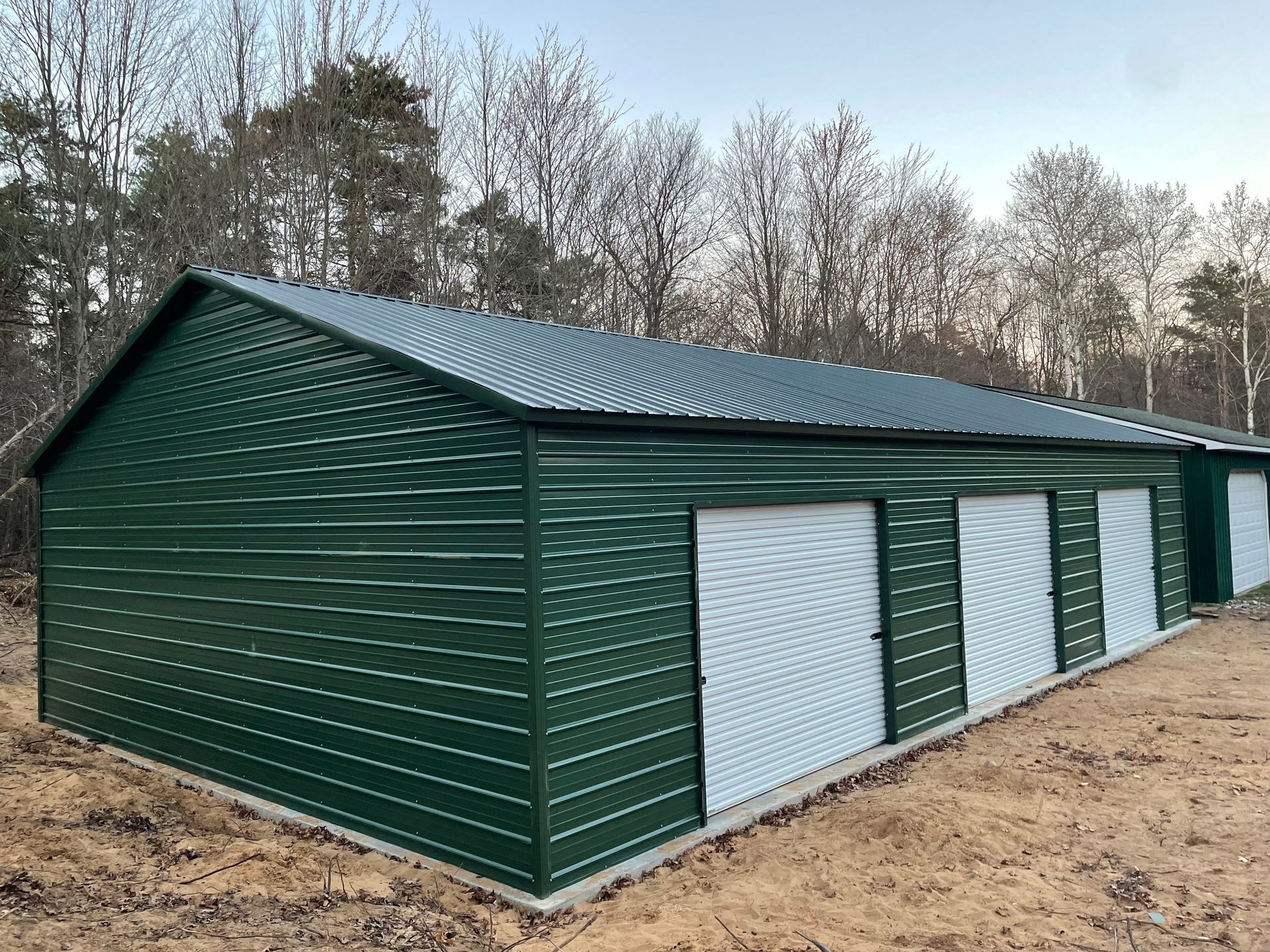
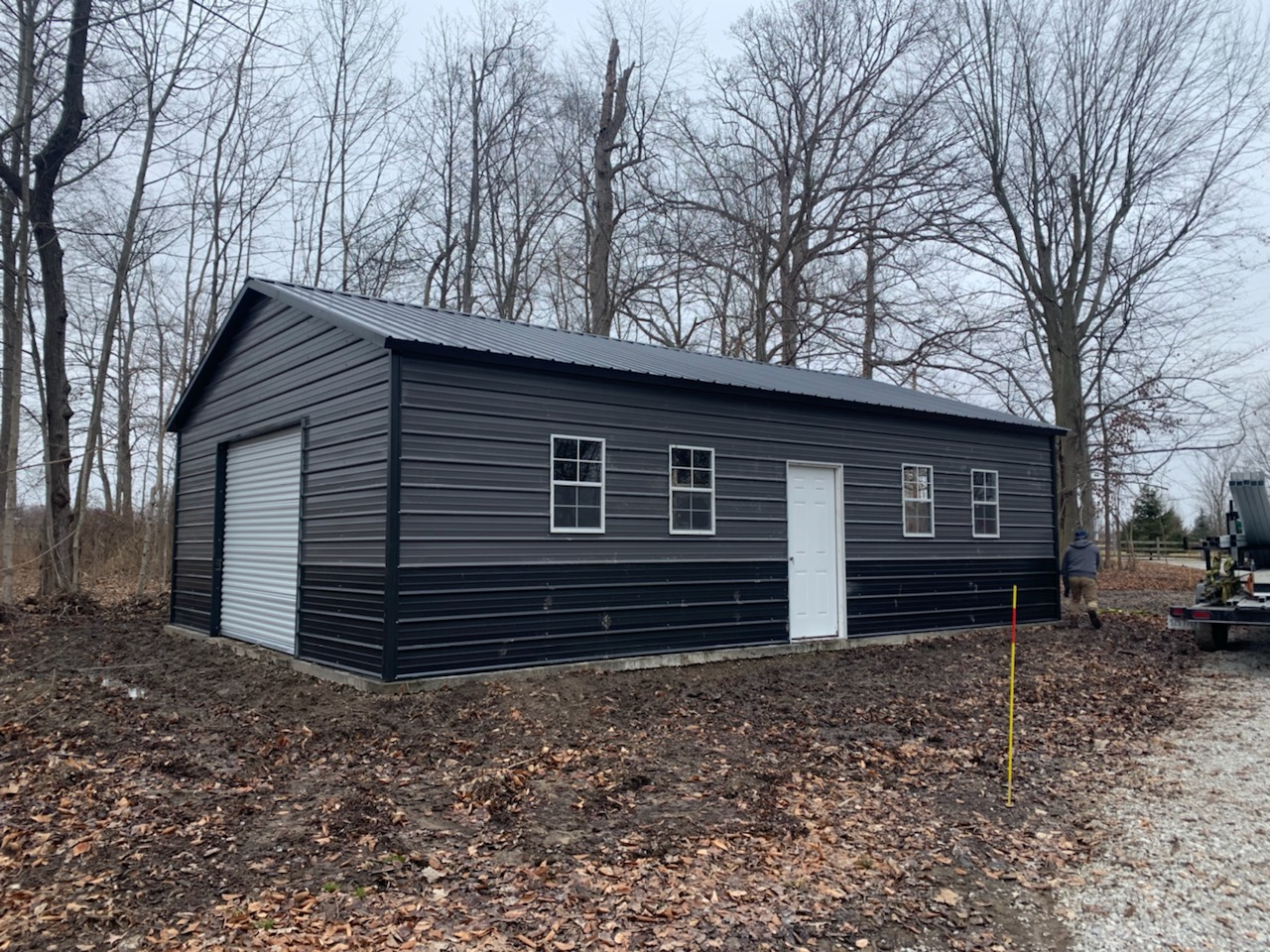
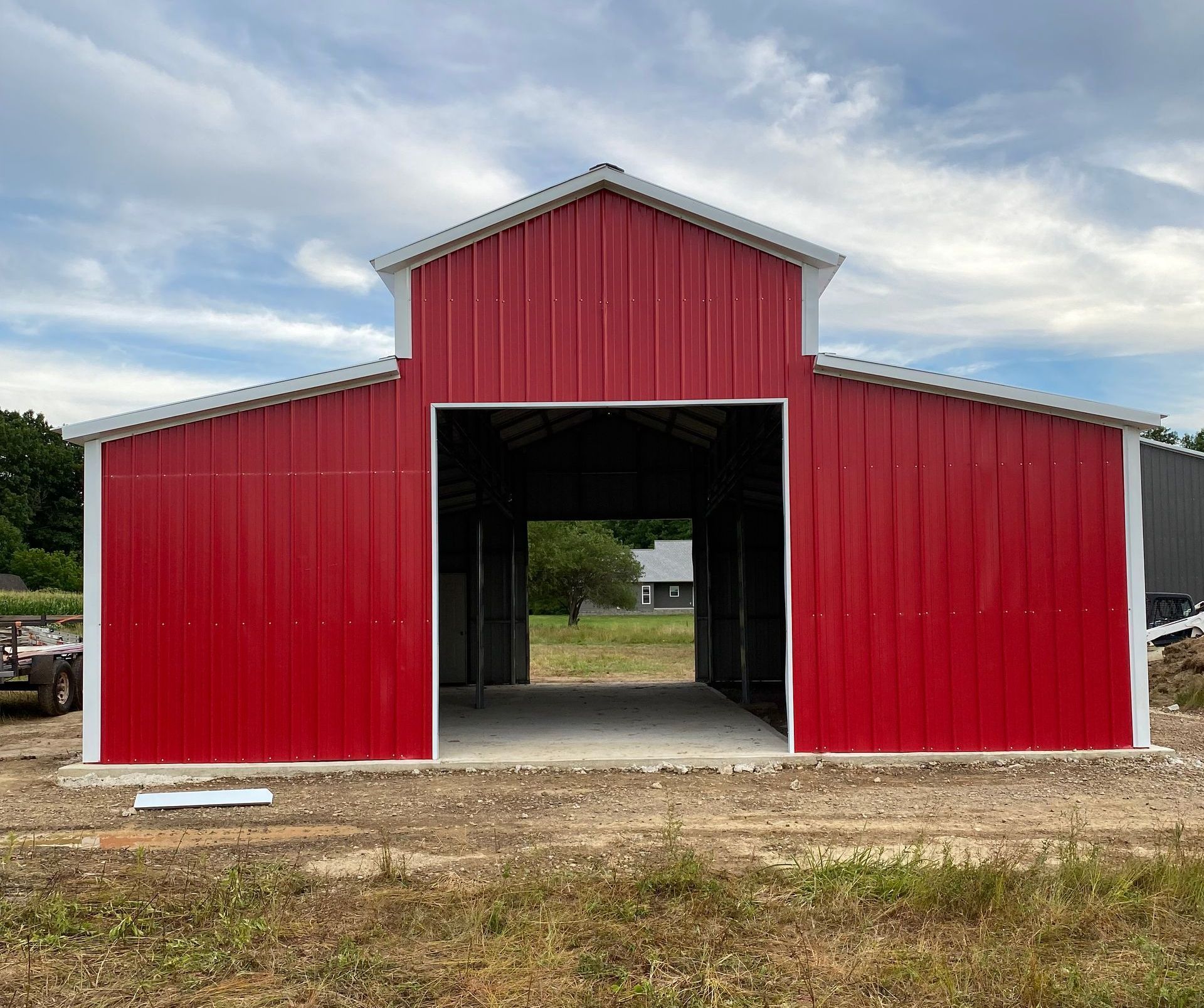
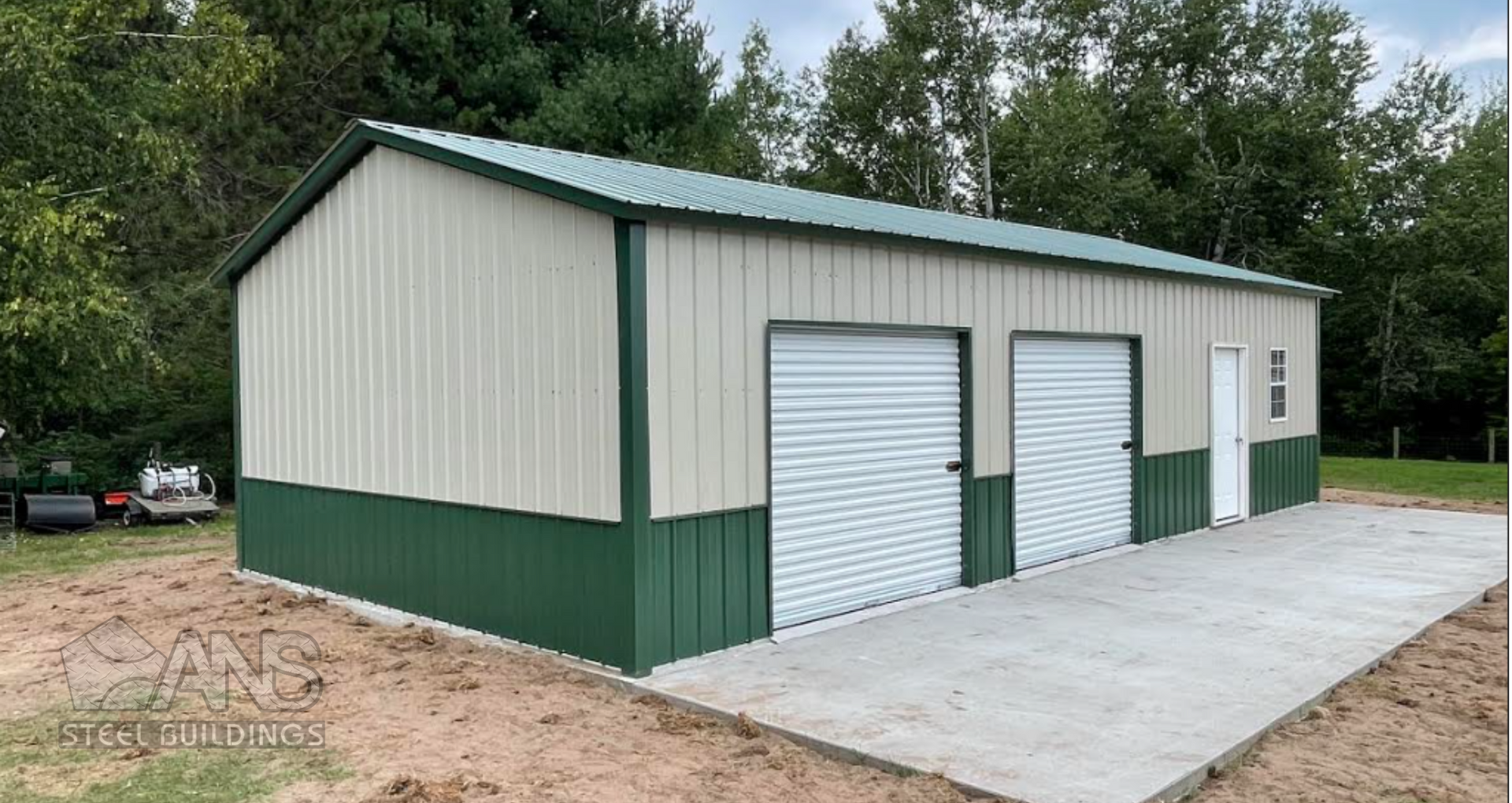
Reality: The notion that steel buildings are unattractive is outdated. Today, steel buildings can be designed with a range of architectural styles and finishes to suit various preferences. Advanced technologies enable the customization of exteriors with options such as brick, stucco, wood, or glass facades, making steel buildings visually appealing and adaptable to any environment.
Misconception 3: "Steel buildings are prone to corrosion and rust."
Reality: While steel can corrode, modern steel buildings are engineered with protective coatings and treatments that prevent corrosion. High-quality steel components undergo galvanization or are coated with protective layers to enhance their resistance to rust and corrosion. Routine maintenance, such as inspecting and repairing any damages promptly, further ensures the longevity of steel buildings.
Misconception 4: "Steel buildings are not energy-efficient."
Reality: On the contrary, steel buildings can be designed to maximize energy efficiency. Advanced insulation options and energy-efficient roofing materials can be integrated into steel building systems to enhance thermal performance. Additionally, steel's reflective properties can reduce heat absorption, resulting in lower cooling costs during hot summers. Energy-efficient windows, doors, and HVAC systems can be seamlessly incorporated into steel buildings to further optimize energy usage.
Misconception 5: "Steel buildings are challenging to construct and assemble."
Reality: Steel buildings are known for their efficiency and ease of construction. With precise engineering and prefabrication, the components of a steel building are manufactured off-site, ensuring accuracy and reducing on-site construction time. Advanced design and engineering software allow for seamless integration of various building systems, simplifying the construction process and ensuring precise assembly.
Misconception 6: "Steel buildings lack flexibility for expansion or modification."
Reality: Flexibility is one of the inherent advantages of steel buildings. Steel structures can be easily modified or expanded to accommodate changing needs. The use of bolted connections instead of welding allows for easier disassembly and reassembly, making modifications and additions straightforward. Steel buildings offer the flexibility to adapt to future growth or changes in functionality without compromising structural integrity.
Misconception 7: "Steel buildings are not environmentally friendly."
Reality: Steel is a highly sustainable construction material. A significant portion of steel used in construction is made from recycled materials, reducing the demand for new resources. Additionally, steel buildings are energy-efficient, which reduces their environmental footprint. Steel is also 100% recyclable, making it a highly sustainable choice. The environmental benefits of steel buildings include reduced waste generation, energy conservation, and decreased greenhouse gas emissions.
Misconception 8: "Steel buildings are more expensive than traditional construction methods."
Reality: While the upfront cost of a steel building may be comparable to traditional construction methods, the long-term cost savings outweigh the initial investment. Steel buildings require minimal maintenance and have a longer lifespan compared to many other construction materials. Additionally, their energy-efficient design can lead to substantial savings in heating and cooling costs over time.
Misconception 9: “Steel buildings are noisy.”
Some people assume that steel buildings are noisy due to the material's natural resonance. However, this misconception fails to acknowledge that proper insulation and soundproofing measures can significantly reduce noise transmission. Acoustic insulation materials can be added during construction to minimize noise levels and create a comfortable and quiet interior environment.
Misconception 10: “Steel buildings are susceptible to lightning strikes”
There is a common misconception that steel buildings are more likely to attract lightning strikes. In reality, the material used in the construction of steel buildings does not make them more prone to lightning strikes compared to other types of structures. The risk of lightning strikes can be mitigated by implementing proper lightning protection systems, such as lightning rods and grounding measures, which ensure the safety of the building and its occupants.
By debunking these common misconceptions, we hope to provide a clearer understanding of the many advantages and capabilities of steel buildings. They are not limited to industrial or agricultural applications, lack of aesthetic appeal, or concerns about corrosion and rust. Steel buildings are energy-efficient, flexible, sustainable, and cost-effective alternatives to traditional construction methods. As the construction industry continues to evolve, steel buildings will remain at the forefront, meeting the demands of diverse projects while delivering exceptional performance, durability, and design possibilities.