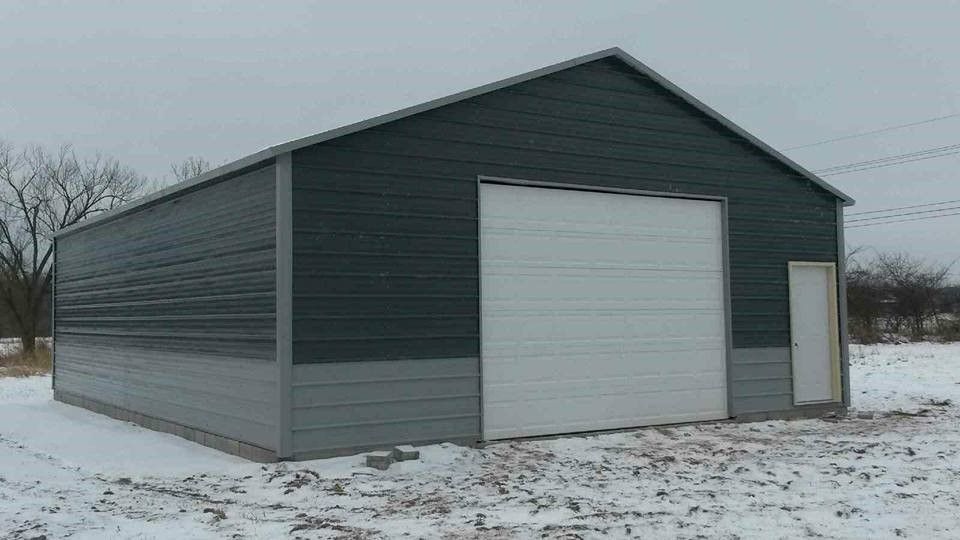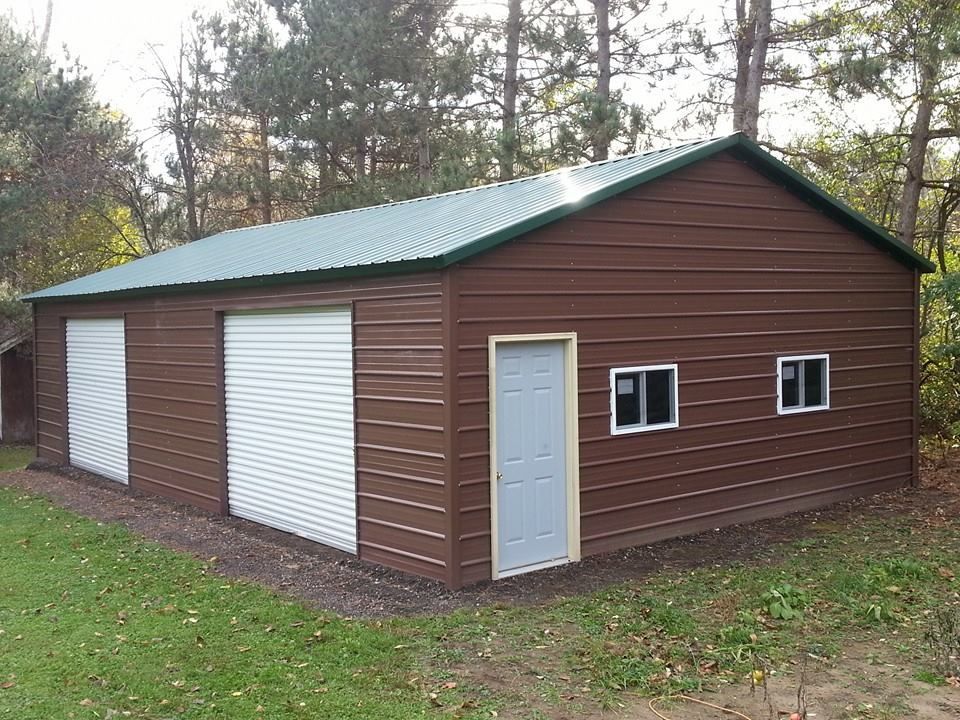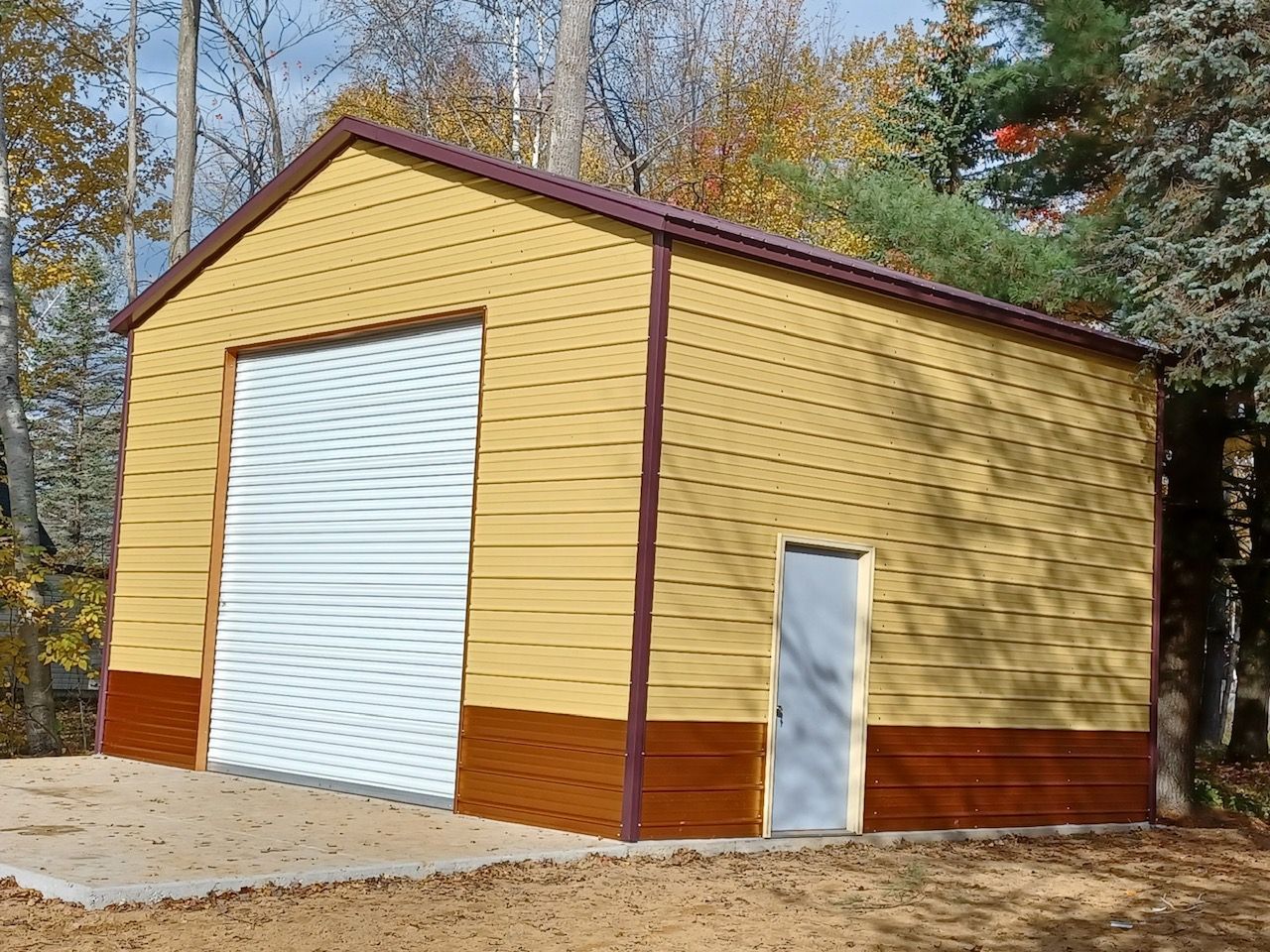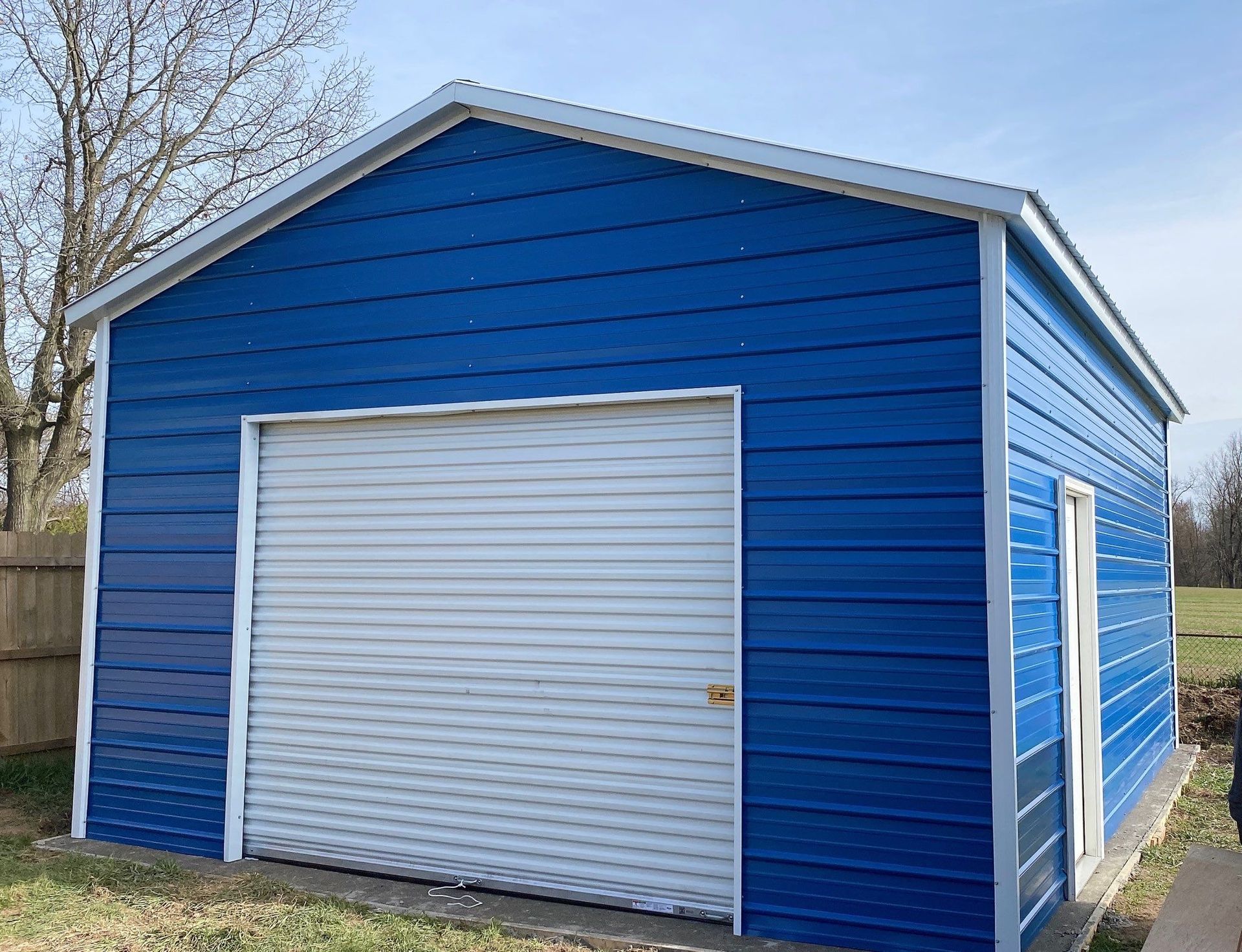
Your metal carport guide: what is a carport, do you need one?

When it comes to protecting your vehicles or providing additional covered space, a metal carport can be an excellent solution. Whether you're a homeowner or a business owner, understanding what a carport is and determining if you need one is crucial. In this comprehensive guide, we'll delve into the world of metal carports, exploring their purpose, benefits, and factors to consider before investing in one. By the end of this article, you'll have a clear understanding of carports and be better equipped to make an informed decision about whether a metal carport is right for you.

What Is a Carport?


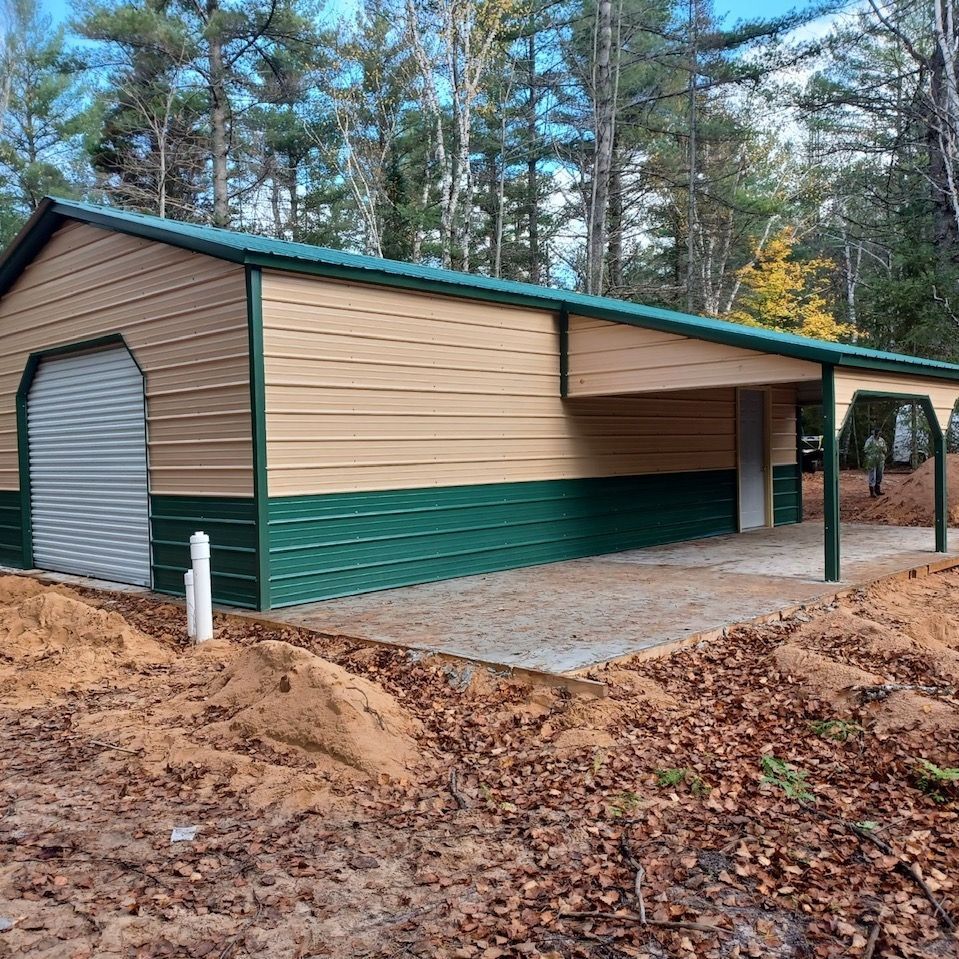
A carport is a covered structure designed to provide protection for vehicles from the elements. It typically consists of a roof supported by posts or columns, leaving the sides open. The primary purpose of a carport is to shield vehicles from various weather conditions, such as sun exposure, rain, snow, and hail.


Carports are characterized by their open-sided design and simple structure. They typically include posts or columns, a roof, and optional side panels or enclosures. The roof can be designed in different styles, including flat roofs, gable roofs, or even cantilevered roofs. The choice of materials, such as steel or aluminum, also plays a significant role in the carport's construction and durability.


Carports come in various configurations to suit different needs and preferences. Some common types include attached carports, freestanding carports, cantilevered carports, flat roof carports, and gable roof carports. Each type offers distinct advantages and may be suitable for specific applications.


Advantages of Metal Carports


Protection from the Elements

One of the significant benefits of metal carports is their ability to shield vehicles from the elements. They provide a protective barrier against sun exposure, preventing UV damage to paint and interiors. Carports also offer shelter from rain, snow, and hail, preventing potential water damage, rust, or dents.


Versatility and Multi-Purpose Use


Metal carports are versatile structures that can serve various purposes beyond vehicle protection. They can be used as outdoor entertainment areas, providing a covered space for gatherings, barbecues, or parties. Carports can also serve as additional storage space for outdoor equipment, garden tools, or even as a shelter for RVs, boats, or trailers.


Durability and Longevity


Metal carports are known for their durability and longevity. Constructed from high-quality steel or aluminum, they are resistant to rot, decay, and insect damage. Unlike traditional wooden structures, metal carports require minimal maintenance, making them a cost-effective and long-lasting investment.

Cost-Effectiveness

Metal carports offer cost-effective solutions for vehicle protection and additional covered space. They have affordable initial investments compared to constructing garages or other permanent structures. Furthermore, carports can potentially save on vehicle maintenance costs by reducing exposure to harsh weather conditions.

Factors to Consider Before Buying a Metal Carport


Local Building Codes and Regulations


Before purchasing a metal carport, it's crucial to familiarize yourself with local building codes and regulations. Some areas may require permits or have zoning restrictions regarding carport installations. Additionally, understanding wind and snow load requirements is essential to ensure the carport can withstand your region's weather conditions.

Size and Space Requirements


Determining the right size for your carport is crucial. Consider the number and size of vehicles you need to shelter, as well as any additional space requirements. Measure the available space on your property to ensure the carport fits comfortably without encroaching on other structures or impeding movement.


Material Options

Metal carports are typically constructed using steel or aluminum. Both materials have their advantages and considerations. Steel carports are known for their strength and durability, making them suitable for heavy-duty applications. Aluminum carports, on the other hand, are lightweight and resistant to corrosion, making them ideal for coastal areas or regions with high humidity.


When choosing between steel and aluminum, consider factors such as budget, intended use, and the climate of your location. Additionally, gauge and thickness considerations play a role in determining the strength and longevity of the carport. Thicker gauges generally offer better durability but may come at a higher cost.


Customization and Design


Metal carports can be customized to suit your aesthetic preferences and functional needs. Consider the various design options available, such as different roof styles (flat, gable), color choices, and finishes. Additionally, think about any additional features you may require, such as side panels, enclosures, or integrated storage options. Customization allows you to tailor the carport to your specific requirements.


Installation Process


Before purchasing a metal carport, assess whether you prefer a DIY installation or hiring professionals for the job. DIY installation can save costs but requires adequate knowledge, tools, and time for proper assembly. Professional installation ensures a seamless and efficient process, but it comes with additional expenses. Additionally, consider the foundation requirements for the carport, as it may vary based on factors like soil type and local building codes.


Maintenance and Care

While metal carports are generally low maintenance, regular care is still necessary to ensure their longevity. Cleaning and washing the carport periodically help remove dirt, debris, and prevent the buildup of corrosive substances. Regular inspections should be conducted to identify any signs of damage, such as rust or loose fasteners. Prompt repairs and necessary upgrades are essential to maintain the carport's structural integrity and functionality.

Do You Need a Metal Carport?


Residential Considerations


Consider your residential needs when evaluating whether a metal carport is necessary. If you own vehicles that are exposed to the elements, such as cars, motorcycles, or bicycles, a carport can provide protection and extend their lifespan. A carport can also serve as an additional covered space for outdoor activities, such as hosting gatherings or providing a shaded area for children to play. If you have recreational vehicles like RVs, boats, or trailers, a carport can provide shelter and keep them in good condition.


Commercial Applications


For businesses, metal carports offer practical solutions as well. Companies with a fleet of vehicles or equipment can benefit from a carport by providing shelter and safeguarding their assets. Carports can also be used to create covered loading and unloading areas, protecting goods and personnel from adverse weather conditions. Additionally, businesses with outdoor workspace needs, such as construction sites or outdoor markets, can utilize carports to extend their operational area.


Factors Influencing the Decision


Several factors influence the decision to invest in a metal carport. Firstly, consider the climate and weather conditions in your area. If you experience extreme temperatures, heavy rainfall, or high winds, a carport can offer significant protection. Secondly, evaluate your available budget. Carports provide a cost-effective alternative to constructing permanent structures like garages. Lastly, assess your long-term plans and needs. If you foresee the need for covered space or vehicle protection in the foreseeable future, a metal carport becomes a viable option.

A metal carport can be a valuable addition to your property, providing protection for your vehicles and versatile covered space. By understanding the definition, benefits, and factors to consider, you can make an informed decision about whether a metal carport is the right choice for you.
By Josh Good January 16, 2026
Innovative uses for steel buildings are changing how property owners, businesses, and communities approach construction. Once associated mainly with warehouses, factories, and agricultural storage, steel buildings are now being reimagined as modern homes, event venues, fitness centers, and creative commercial spaces. With flexible layouts, long-term durability, and cost-effective construction, steel buildings provide the perfect foundation for projects that fall outside traditional construction norms. Why Steel Buildings Are Ideal for Innovative Projects Steel buildings offer structural advantages that make them especially well-suited for unconventional applications. Open-Span Design Flexibility Clear-span interiors eliminate the need for interior support columns, allowing complete freedom in space planning and layout customization. Strength, Safety, and Longevity Steel structures resist fire, pests, rot, and extreme weather, making them dependable for residential, commercial, and public-use buildings. Faster and More Cost-Effective Construction Prefabricated steel components reduce build time, lower labor costs, and minimize material waste compared to traditional construction methods. Residential Uses Beyond Traditional Homes Steel Building Homes Steel homes combine modern aesthetics with performance. With proper insulation, windows, and interior finishes, they offer the comfort of conventional homes with added durability. Barndominiums Barndominiums blend living space with workshops or garages under one roof, making them popular for rural living, hobbyists, and multi-use lifestyles. Guest Houses and ADUs Steel buildings are ideal for accessory dwelling units (ADUs), providing affordable housing, rental income opportunities, or private guest accommodations. Commercial and Business Applications Event Venues and Gathering Spaces Steel buildings are increasingly used as wedding venues, banquet halls, and multipurpose event centers due to their wide-open interiors and customizable design. Retail Stores and Showrooms From equipment showrooms to specialty retail spaces, steel buildings provide a modern, industrial look that can be customized with glass, stone, and architectural accents. Creative Studios and Workshops Artists, photographers, woodworkers, and content creators benefit from high ceilings, open layouts, and adaptable lighting options. Community and Recreational Spaces Fitness Centers and Training Facilities Steel buildings easily support gyms, CrossFit boxes, yoga studios, and indoor training facilities with large equipment and open floor plans. Churches and Community Centers Open-span steel buildings allow for flexible seating arrangements, stages, classrooms, and gathering areas for growing communities. Indoor Sports and Recreation Steel structures are ideal for basketball courts, pickleball facilities, indoor batting cages, and recreational training centers. Design Considerations for Non-Traditional Steel Buildings Insulation and Climate Control Innovative steel buildings often require advanced insulation systems and HVAC planning to ensure comfort for year-round use. Natural Light and Aesthetics Incorporating windows, skylights, glass doors, and exterior design elements helps transform industrial steel buildings into inviting, functional spaces. Zoning and Code Compliance Non-traditional uses may require specific zoning approvals and building code considerations, which should be addressed early in the planning process. The Future of Steel Buildings in Modern Construction As construction costs rise and design needs become more flexible, steel buildings continue to gain popularity for innovative applications. Their adaptability allows property owners to future-proof their investment by easily modifying or expanding spaces as needs change. At ANS Steel Buildings , we specialize in helping clients turn creative ideas into functional steel structures designed for long-term success.  Conclusion Innovative uses for steel buildings prove that steel construction is no longer limited to traditional industrial purposes. From homes and businesses to community spaces and recreational facilities, steel buildings offer unmatched flexibility, durability, and value. If you’re considering a non-traditional construction project, a custom steel building may be the most efficient and adaptable solution available today.
By Josh Good December 15, 2025
Winter steel storage sheds are one of the most reliable ways to protect equipment, tools, and inventory when cold temperatures, snow, and moisture threaten traditional storage solutions. Whether you’re a homeowner storing tools, a contractor protecting equipment, or a business managing seasonal inventory, steel sheds provide unmatched durability, security, and peace of mind during winter months. At ANS Steel Buildings , winter-ready steel storage sheds are designed to handle harsh conditions while remaining fully customizable for your exact needs. Why Winter Is Tough on Storage Buildings Winter weather exposes weak storage structures fast. Common winter-related issues include: Snow accumulation causing roof stress or collapse Moisture intrusion leading to rust, mold, or damaged inventory Freezing temperatures cracking wood panels or warping plastic sheds Wind gusts loosening panels or lifting lightweight structures A steel storage shed built for winter conditions eliminates these risks with engineered strength and weather-resistant materials. How Steel Storage Sheds Handle Snow & Cold Better Snow Load Rated Strength Steel sheds from ANS Steel Buildings are engineered to meet regional snow load requirements , helping roofs safely support heavy snow accumulation without sagging or failure. Weather-Resistant Materials Unlike wood, steel does not rot, crack, or attract pests. Galvanized steel panels resist moisture buildup and perform reliably in freezing temperatures. Wind & Storm Stability Steel framing provides superior structural integrity during winter storms, reducing the risk of shifting or collapse. Protecting Equipment, Tools & Inventory in Winter A winter steel storage shed is ideal for storing: Power tools and hand tools Lawn and landscaping equipment Construction materials Seasonal business inventory Farm supplies and feed Recreational vehicles and outdoor gear Optional upgrades such as insulation, ventilation, and secure doors help maintain stable interior conditions and prevent condensation damage. Custom Steel Storage Sheds Built for Your Needs Every storage requirement is different. ANS Steel Buildings offers fully customizable steel storage sheds , allowing you to choose: Shed size and height Roof style and pitch (ideal for snow shedding) Door placement and sizes Wall and roof colors Enclosed or partially open designs You can even design your shed using ANS Steel Buildings’ free online building design tool , making it easy to visualize and price your project before ordering. Why Winter Is a Smart Time to Buy a Steel Storage Shed Many buyers wait until spring — but winter can actually be the best time to invest in a steel storage shed. Faster Lead Times Winter is often an off-peak season, which can mean quicker production and delivery. Locked-In Pricing Purchasing during winter helps protect against seasonal price increases later in the year. Flexible Financing Options ANS Steel Buildings offers steel building financing , allowing you to secure your shed now while spreading payments over time. Long-Term Value Beyond Winter A steel storage shed isn’t just a seasonal solution. Its long lifespan, minimal maintenance, and adaptability make it a smart investment year-round. When spring arrives, your equipment and inventory are already protected, organized, and ready for use. Get a Winter-Ready Steel Storage Shed from ANS Steel Buildings If you’re looking for winter steel storage sheds that protect equipment, tools, and inventory , ANS Steel Buildings delivers strength, customization, and value you can trust. ✔ Custom steel shed designs ✔ Snow load engineered structures ✔ Financing available ✔ Free online design tool Design your steel storage shed today and protect what matters most this winter and beyond.
By Drake Jimenez July 9, 2025
When planning a steel building—whether for a commercial, agricultural, or personal use—one of the biggest hurdles is often financing. With the right funding strategy, your project can move forward smoothly, stay on budget, and be completed on time.
Steel Building
By Drake Jimenez June 10, 2025
Discover how to choose the perfect steel building for your business. Learn what to consider—from size and customization to zoning laws and budget—with this expert guide.
By Josh Good May 12, 2025
Discover custom metal garage designs and styles that combine durability, flexibility, and curb appeal. Learn how to choose the right garage layout, features, and finishes for your needs.
April 10, 2025
How to Maintain Your Steel Building During Storms Steel buildings are known for their durability, but even the toughest structures can be vulnerable during severe storms. Whether it’s high winds, heavy rain, snow, or hail, proactive maintenance is key to ensuring your building stands strong through it all.
By Josh Good November 25, 2024
Learn how steel buildings provide small businesses with cost-effective, durable, and customizable solutions. Discover how they can help improve operations, expand space, and increase efficiency.
By Josh Good November 1, 2024
In recent years, DIY projects have gained immense popularity, with homeowners and enthusiasts looking for creative and functional solutions for their spaces. Steel buildings have emerged as a top choice for many DIYers due to their durability, versatility, and ease of assembly.
By Josh Good October 30, 2024
Learn essential maintenance tips for your steel building to ensure its longevity and durability. Discover best practices to keep your structure in top condition and protect your investment.
By Josh Good May 17, 2024
Discover how steel buildings offer an eco-friendly solution for construction projects. Explore their sustainable features, energy efficiency, and recyclability, making them the preferred choice for environmentally conscious builders and property owners.